
NEWSROOM
-
The Self-Developed Human Pancreatic Cancer 6-Gene Detection Kit by Fudan University Shanghai Cancer Center Secures Filing Approval, Breaking the Dilemma of Precision Diagnosis and Treatment for the "King of Cancers"
Recently, the "Human Pancreatic Cancer 6 Gene Mutation Detection Kit", independently developed by a team led by Professor Xianjun Yu, a renowned expert in the field of pancreatic cancer diagnosis and treatment in China and President of Fudan University Shanghai Cancer Center, has been officially filed with the Shanghai Municipal Medical Products Administration. It has become one of the first batch of Hospital Developed Test (HDT) in vitro diagnostic reagents approved for self-development and use by medical institutions in China.
As China's first HDT product with a clear indication for pancreatic cancer, the kit fills the technical gap in the field of precise molecular diagnosis of pancreatic cancer and can provide a reliable molecular basis for prognostic judgment and precise diagnosis and treatment of pancreatic cancer patients. Known as the "king of cancers", pancreatic cancer features great difficulty in diagnosis and treatment and a low early diagnosis rate. The successful filing of this kit fully demonstrates the strong strength of independent innovation in China's field of precision oncology medicine.
Shuting Guo, Deputy Director of the Shanghai Municipal Medical Products Administration, led a team to the certificate awarding ceremony in person, presenting the certificate solemnly to Professor Xianjun Yu, President and chief scientist of the kit, and Professor Xin Hu, the R&D leader. He highly recognized the team's tackling spirit of "taking clinical needs as the foundation and technological innovation as the wing", and praised the achievement as a model of interdisciplinary collaborative innovation in the hospital and a vivid epitome of the high-quality development of precision medicine in China.
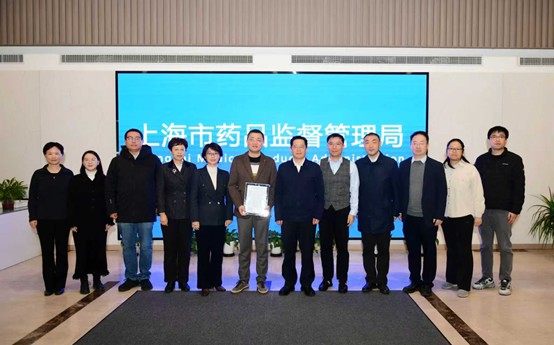
On-site of the Kit's Certificate Awarding
Pancreatic cancer is characterized by high malignancy and rapid progression, with extremely hidden early symptoms. Most patients are diagnosed at an advanced stage, missing the opportunity for radical surgical treatment, resulting in a long-term low 5-year survival rate. Having been engaged in the diagnosis and treatment of pancreatic cancer for more than 20 years, President Xianjun Yu has led the formulation of a number of domestic diagnosis and treatment guidelines. Relying on his profound clinical diagnosis and treatment experience and academic leadership capabilities, he has accurately identified the core pain points in the clinical diagnosis and treatment of pancreatic cancer. He took the lead in establishing an interdisciplinary R&D team, defined the R&D direction of "constructing a highly reliable detection system based on the molecular characteristics of pancreatic cancer in the Chinese population", and oversaw the entire process. Professor Xin Hu led the technical personnel of the Fudan University Shanghai Cancer Center Precision Cancer Center to integrate the advantages of multiple fields such as tumor molecular biology and bioinformatics. After years of technical accumulation and repeated iterative optimization, the team deeply integrated next-generation sequencing (NGS) technology, ultra-deep capture technology and paired analysis strategies, targeting 6 core mutant genes in the pancreatic cancer driver pathway, and made every effort to overcome the challenges of precise detection.
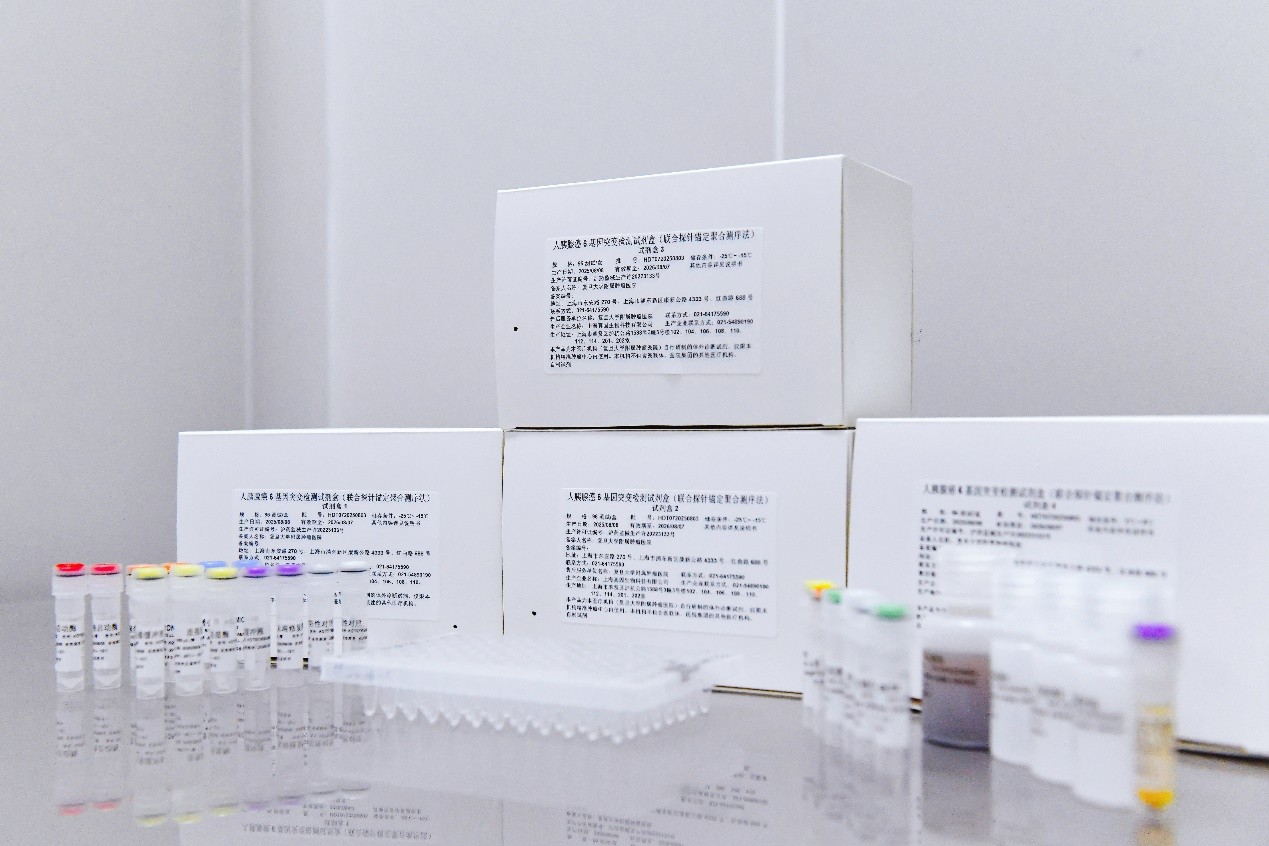
Human Pancreatic Cancer 6-Gene Detection Kit
Compared with traditional detection methods, the kit has achieved multiple key breakthroughs: first, it covers a more comprehensive range of detection targets and can accurately capture the mutation characteristics of core driver genes of pancreatic cancer; second, the detection cycle is significantly shortened compared with traditional methods, winning precious time for the subsequent diagnosis and treatment of middle and advanced stage patients; third, the specificity and sensitivity of detection are significantly improved, providing a more reliable decision-making basis for clinical diagnosis and treatment. With the help of this kit, more pancreatic cancer patients can obtain an accurate genetic variation profile at the initial diagnosis stage, and clinicians can formulate individualized treatment plans based on this. This not only reduces the waste of medical resources caused by ineffective treatment, but also lessens the physical damage to patients from ineffective treatment, lighting up the hope of life for pancreatic cancer patients.
During the R&D of the project, leaders and experts from various institutions including the Shanghai Municipal Medical Products Administration, Shanghai Municipal Health Commission, Shanghai Medical Device and Cosmetics Evaluation and Verification Center, Shanghai Clinical Laboratory Center, and Shanghai Medical Device Testing Institute provided all-round professional support for the project, effectively promoting the rapid implementation of this innovative achievement.
To accelerate the efficient transformation of clinical achievements into clinical products, Fudan University Shanghai Cancer Center has explored and formed an integrated "clinical-R&D-diagnosis and treatment" innovation model centered on "clinical problem-driven, multidisciplinary integration, and full-cycle closed-loop management" in the R&D and filing process of this kit. Starting with clarifying clinical needs, the model relies on the profound clinical accumulation and cutting-edge scientific research achievements of Professor Xianjun Yu's team in the field of pancreatic cancer, and integrates the technical advantages of the Precision Cancer Center in molecular detection and bioinformatics, realizing a complete closed loop of "basic discovery-technological research-product finalization-clinical verification-patient service". Fudan University Shanghai Cancer Center has fully integrated the resources of clinical, scientific research and transformation platforms in the hospital, forming an in-hospital innovation path of "defining products with clinicians' insights, breaking barriers with interdisciplinary R&D, and verifying efficacy with clinical value".
The successful filing of this kit is not only a breakthrough of a single product, but also a successful practice for the hospital to build a medical, teaching and research integrated three-dimensional research-oriented hospital. It is also a concluding achievement of the hospital's high-quality development during the 14th Five-Year Plan period and a landmark achievement for a good start in the 15th Five-Year Plan period. It verifies the feasibility and necessity of clinical institutions facing the most intractable clinical problems and leading the independent R&D of key diagnostic tools. It provides a replicable and referable "Fudan University Shanghai Cancer Center Solution" for solving the dilemma of insufficient supply of innovation sources in China's high-end diagnostic reagent field, and also injects new impetus into building a medically innovative source with global influence.
